Lawn Care in Dartmouth Park
Why Lawn Care in Dartmouth Park Matters for Local Homes

Lawn care in Dartmouth Park is more than a seasonal chore; it is part of maintaining a property that feels welcoming, tidy, and well looked after. In an area known for characterful homes, mature trees, and a mix of shaded and open gardens, the condition of your lawn can influence the overall appearance of your outdoor space. A healthy lawn adds softness, colour, and structure, while a neglected one can make even a beautiful garden feel unfinished.
Because Dartmouth Park has its own local conditions, effective lawn care in Dartmouth Park often needs a tailored approach. North London weather patterns, shade from nearby trees, compacted soil, and heavy foot traffic can all affect grass growth. A lawn that works well in one part of the city may struggle here if it is not cared for properly. This is why residents often benefit from lawn maintenance that takes into account the specific needs of their garden rather than using a one-size-fits-all method.
For homeowners, tenants, and property managers alike, the goal is usually the same: a lawn that looks attractive, feels good underfoot, and stays resilient through the year. From mowing and feeding to aeration and moss control, lawn care in Dartmouth Park requires regular attention and the right timing. Consistent care often delivers better results than occasional intensive treatment.
Understanding the Local Conditions That Affect Grass Health

One of the biggest factors in lawn care in Dartmouth Park is light. Many gardens in the area receive partial shade because of surrounding buildings, fences, hedges, and mature trees. Shade can slow grass growth, create damp patches, and encourage moss if the lawn is not managed carefully. Grass varieties that tolerate lower light levels are often more suitable than standard mixes, especially in back gardens with limited sun exposure.
Soil condition is another important issue. In older urban gardens, the soil may be compacted, shallow, or uneven due to years of use. Compacted soil limits water movement, reduces oxygen around the roots, and makes it harder for grass to establish strong growth. A practical lawn care plan often includes aeration, top dressing, and soil improvement to help roots develop more deeply.
Weather also plays a major role. Dartmouth Park lawns can face periods of heavy rain, followed by dry spells in warmer months. These changes affect mowing height, watering needs, and feeding schedules. A smart lawn care in Dartmouth Park routine responds to the season rather than following a rigid calendar. This flexibility helps protect the lawn from stress and keeps it looking fresh throughout the year.
Common local lawn challenges
- Shaded areas with limited sunlight
- Compact soil that restricts root growth
- Moss and algae in damp corners
- Patchy growth from pets, children, or frequent use
- Uneven surfaces caused by settling or root activity
Key Elements of Effective Lawn Care in Dartmouth Park
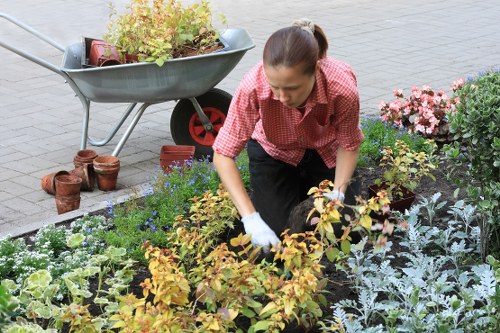
Successful lawn care in Dartmouth Park usually combines several services rather than relying on mowing alone. Each task supports the others, creating a stronger and better-looking lawn over time. A lawn that is cut regularly but never fed, aerated, or scarified may still look tired, thin, or mossy. When the essentials are managed together, the difference can be significant.
Mowing is one of the most visible parts of lawn maintenance. Cutting grass at the right height encourages healthy growth and reduces stress. In shaded gardens, mowing too short can weaken the lawn because the grass has less leaf area to absorb light. A slightly higher cut is often better for lawns in Dartmouth Park, especially during warmer months or in areas with less sun.
Feeding is another critical part of lawn care in Dartmouth Park. Fertiliser supplies nutrients that grass needs for colour, density, and recovery after wear. The best feeding programme depends on the season and the current condition of the lawn. Spring feeds help growth recover after winter, while autumn treatments can strengthen roots before colder weather arrives. A balanced feeding schedule supports long-term lawn health rather than just short-term greening.
Other important maintenance tasks
- Aeration to relieve compaction and improve drainage
- Scarification to remove thatch, moss, and surface debris
- Overseeding to thicken thin or damaged areas
- Top dressing to improve soil structure and smooth the surface
- Weed control to reduce competition from invasive plants
Seasonal Lawn Care in Dartmouth Park

Each season brings different demands, which means lawn care in Dartmouth Park should change across the year. Spring is typically the time when grass begins active growth again, making it ideal for scarifying, feeding, and overseeding. It is also a good time to repair winter damage, improve soil aeration, and establish a healthy routine before the main growing season begins.
Summer lawn care usually focuses on keeping the grass resilient. During dry periods, mowing less aggressively and watering deeply when needed can help prevent stress. It is often better to water early in the morning or late in the evening so moisture reaches the roots more effectively. In high-use gardens, summer is also the time to watch for wear and thin patches that may need attention.
Autumn lawn care in Dartmouth Park is about preparation. This is the season for strengthening roots, clearing fallen leaves, and managing damp conditions that can encourage moss and disease. A lawn that enters winter in good condition is more likely to recover strongly in spring. Winter maintenance, meanwhile, is usually lighter, but it still matters. Avoiding unnecessary foot traffic on frozen or waterlogged grass helps protect the lawn from damage.
Seasonal tasks to prioritise
- Spring: scarify, aerate, overseed, and feed
- Summer: mow correctly, water sensibly, and manage wear
- Autumn: remove leaves, feed for root strength, and reduce moss risk
- Winter: limit traffic and monitor drainage issues
Choosing the Right Lawn Treatments for Your Garden

Not every lawn needs the same treatments, and that is especially true in Dartmouth Park, where gardens vary in size, shape, exposure, and usage. Some lawns need help with moss and shade, while others are more affected by wear, poor drainage, or patchiness. The best lawn care in Dartmouth Park begins with understanding the specific problems in each garden and then choosing treatments that address them directly.
Scarification is useful when a lawn has built up a layer of thatch or moss. This layer can block air, water, and nutrients from reaching the soil. By removing it, the grass has a better chance to grow strongly. However, scarification can leave the lawn looking temporarily thin, so it is often followed by overseeding and feeding to encourage recovery.
Aeration is particularly valuable in compacted lawns. Using tools that create small holes in the soil, aeration improves airflow and drainage while making it easier for roots to expand. This is often one of the most effective services for lawn care in Dartmouth Park, especially in gardens that have clay-heavy soil or frequent use.
When overseeding helps most
- After scarification
- In thin, tired, or patchy lawns
- Following pet damage or heavy use
- In areas where shade has reduced grass density
- When improving an older lawn with sparse coverage
Mowing Practices That Support a Healthier Lawn
Mowing is often seen as the simplest part of lawn care in Dartmouth Park, but it has a major effect on the overall health of the turf. Cutting too short can stress the grass, expose the soil, and make weeds more likely to spread. Cutting too infrequently can leave the lawn looking untidy and encourage thick clumps that smother the grass below. The right mowing routine balances appearance with long-term health.
A good rule is to avoid removing more than one-third of the grass blade at a time. This helps the lawn recover more quickly after each cut. During periods of rapid growth, lawns may need mowing once a week or even more often, while slower growth in shade or during dry weather may require less frequent cuts. Lawn care in Dartmouth Park works best when mowing is responsive rather than automatic.
Blade sharpness matters as well. Dull mower blades tear grass rather than cutting it cleanly, leaving the lawn vulnerable to disease and browning. Regular maintenance of mowing equipment can make a visible difference. For a neat finish, many homeowners also alternate mowing patterns, which helps avoid soil compaction and reduces wheel marks over time.
Helpful mowing habits
- Keep mower blades sharp and clean
- Adjust cutting height for shade and season
- Do not mow wet grass unless necessary
- Vary mowing direction to avoid ruts
- Leave clippings only if they are short and evenly spread
Dealing with Moss, Weeds, and Patchy Growth
Moss is one of the most common frustrations in lawn care in Dartmouth Park. It often appears where there is shade, moisture, compaction, or poor soil fertility. While moss can indicate that conditions are not ideal for grass, simply removing it is not enough. The underlying cause has to be addressed, otherwise it usually returns. This is why aeration, feeding, and better drainage are often part of a proper long-term solution.
Weeds can also become more noticeable when grass is thin. Dandelions, clover, plantain, and other broadleaf weeds compete with turf for nutrients and light. Keeping the lawn dense is one of the best ways to limit weed invasion. In some cases, targeted weed control may also be useful, especially when the infestation is significant.
Patchy lawns can result from shade, drought, pets, heavy use, or poor soil quality. In many cases, a combination of overseeding, top dressing, and better maintenance restores a more even appearance. Patience is important because healthy lawn improvement often happens gradually rather than overnight. With regular attention, patchy grass can usually be brought back to a much better condition.
Typical signs your lawn needs repair
- Large bare areas or thinning patches
- Soft, spongy moss growth
- Uneven colour across the lawn
- Weak regrowth after mowing
- Visible footprints or worn tracks
Watering, Drainage, and Soil Care
Water management is an important but often overlooked part of lawn care in Dartmouth Park. Too little water can leave grass dry and brittle, while too much water can encourage disease, moss, and shallow root growth. The aim is to support deep, healthy roots by watering less often but more thoroughly when conditions are dry. This approach helps the lawn become more resilient in warm weather.
Drainage problems are also common in gardens where soil has become compacted or where water naturally collects in low areas. If puddles remain after rain, the lawn may need aeration, levelling, or improvements to the soil structure. In some cases, targeted drainage solutions may be needed to stop water from sitting on the surface for too long. Without better drainage, grass may struggle no matter how often it is mowed or fed.
Soil care matters because the lawn depends on what happens below the surface. A well-fed, well-aerated, and well-structured soil bed gives grass a stronger foundation. Top dressing with suitable materials can help improve texture and surface quality, especially on lawns that have become uneven or tired over time. For many properties, this is one of the most worthwhile investments in lawn care in Dartmouth Park.
Benefits of Professional Lawn Care in Dartmouth Park
Some homeowners prefer to manage their gardens themselves, while others choose professional help for convenience, expertise, or better results. Professional lawn care in Dartmouth Park can offer a more accurate diagnosis of problems and a more efficient treatment plan. This is especially helpful when the lawn has several issues at once, such as shade, moss, compaction, and patchiness.
A professional service can also save time and reduce trial and error. Rather than guessing which fertiliser to use or when to scarify, a lawn specialist can assess the grass and recommend the most suitable approach. For busy households or larger gardens, this can make lawn maintenance far less stressful. It can also help protect the lawn from unnecessary damage caused by the wrong tools or timing.
Another benefit is consistency. Regular visits and seasonal care often produce better long-term results than occasional DIY fixes. Whether the goal is a neat family lawn, a cleaner front garden, or a more resilient rear lawn, professional support can help keep the turf in good shape throughout the year. If your grass has been struggling, book your service now and give your garden the attention it deserves.
What a professional lawn care plan may include
- Assessment of grass type and garden conditions
- Seasonal mowing and edging
- Scarification and aeration
- Feeding and weed management
- Overseeding and soil improvement
How Lawn Care in Dartmouth Park Supports Kerb Appeal and Outdoor Use
A well-maintained lawn does more than improve appearance. It also changes how a garden is used. Children can play more comfortably, outdoor seating areas feel more inviting, and the overall space becomes easier to enjoy. For homes in Dartmouth Park, where gardens may be compact but highly valued, these practical benefits matter just as much as the visual ones.
Kerb appeal is another important factor. A front lawn that is trimmed, green, and weed-free creates a strong first impression. Even a modest garden can look significantly more polished with the right care. In property maintenance terms, lawn care in Dartmouth Park supports the broader impression of a house being well looked after, which can be valuable for homeowners and landlords alike.
There is also a lifestyle benefit. When the lawn is in good condition, it encourages people to spend more time outdoors. This can make a garden feel like an extension of the home rather than unused space. That is one of the most rewarding results of careful lawn care: it improves the property and enhances everyday living at the same time.
Practical reasons to maintain your lawn regularly
- Improves the look of the whole property
- Makes the garden more enjoyable to use
- Helps prevent weeds and moss from spreading
- Supports healthier root growth
- Reduces the need for major repair work later
Creating a Long-Term Lawn Maintenance Routine
The best results in lawn care in Dartmouth Park usually come from a long-term routine rather than isolated treatments. Grass changes through the seasons, and the care it needs changes too. By planning ahead and responding to the lawn’s condition, you can avoid common problems before they become serious. This keeps the turf healthier and often reduces costs over time.
A practical routine may involve regular mowing, seasonal feeding, periodic aeration, and prompt action when weeds or moss begin to spread. For many gardens, a yearly cycle that includes spring recovery, summer maintenance, autumn strengthening, and winter protection offers a strong structure. This approach is flexible enough to suit different garden sizes and conditions while keeping the focus on steady improvement.
If you want your garden to look its best in every season, the key is consistency. Small, regular steps often achieve more than occasional intensive work. Whether you manage the lawn yourself or use professional support, the same principle applies: healthy grass responds best to regular, thoughtful care. If you are ready to improve your outdoor space, contact us today and take the next step toward better lawn care in Dartmouth Park.